Key Takeaways
- Shin splints are pain along the inner edge of the shinbone, and they are one of the most common problems for people who are new to running.
- The biggest cause is doing too much, too soon. Sudden jumps in how often, how far, or how hard you run overwork the muscles and tissue around the shin.
- Hard surfaces, worn-out shoes, and flat or very rigid arches can add extra stress to the lower leg.
- Simple changes, such as building mileage slowly, mixing in low-impact workouts, and replacing old shoes, lower your risk.
- Dr. Brian Kelly MD is a fellowship-trained sports medicine surgeon who treats runners in Sewickley and Moon Township, PA. Schedule an appointment if shin pain is slowing down your training.
What Are Shin Splints?
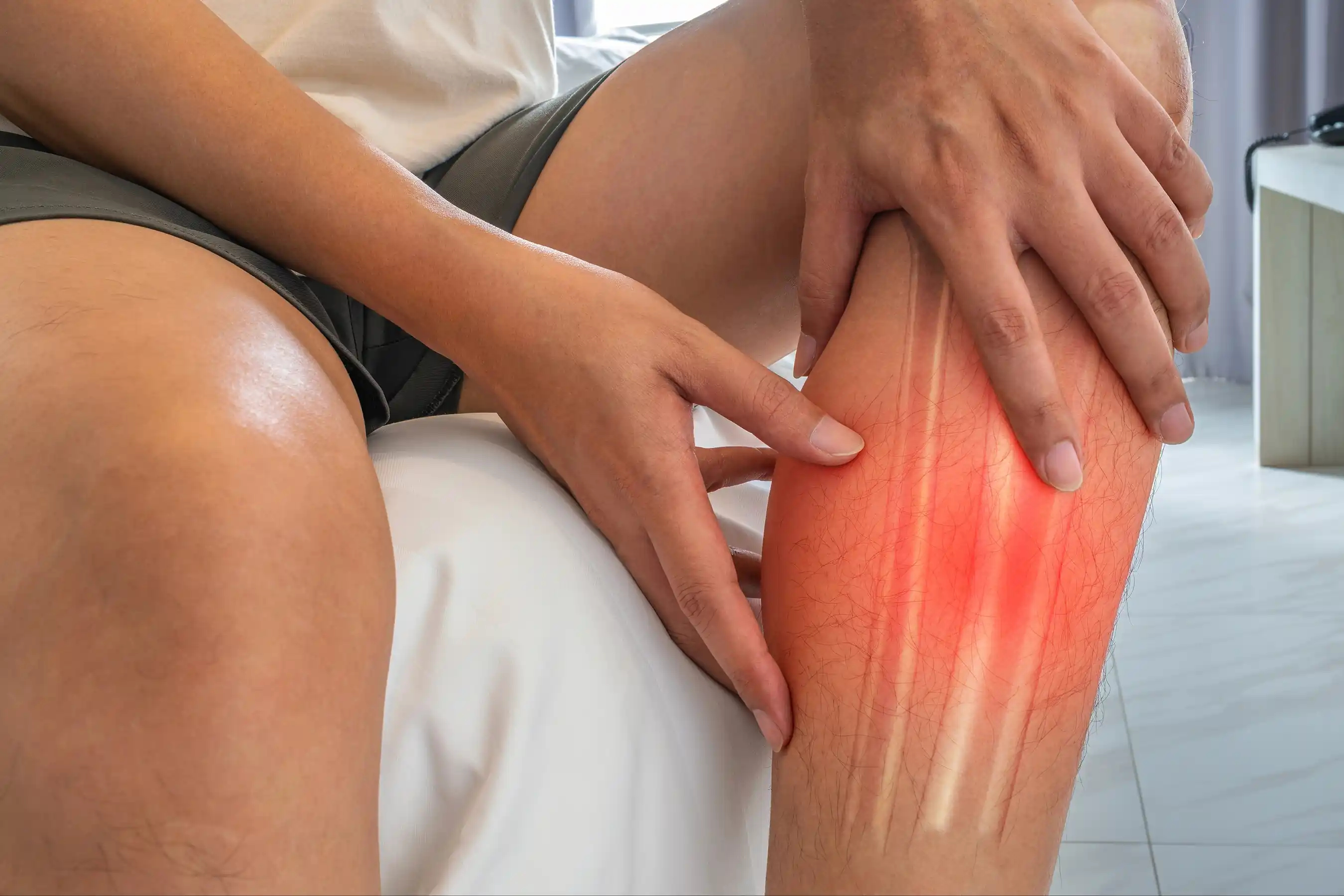
Shin splints, also called medial tibial stress syndrome, cause pain along the inner edge of the tibia (the shinbone). The pain comes from irritation of the muscles, tendons, and bone tissue around the tibia when they are overworked by repetitive activity.
The pain can feel dull and throbbing or sharp and razor-like. Many runners notice it during a run and again afterward. The spot may also feel sore when pressed, with mild swelling in some cases.
Why New Runners Are Especially Susceptible
Runners have the highest risk of shin splints, and the risk is greatest for people just starting a fitness program. Muscles and bones need time to adapt to the pounding of each step. A new runner's legs have not had that time yet.
Enthusiasm also plays a role. New runners often feel great after the first few outings and want to do more. That excitement is wonderful, but the shins often cannot keep up with it.
How Training Too Fast, Too Soon Leads to Shin Splints
Shin splints often follow sudden changes in activity. These changes tend to fall into three groups:
- Frequency: Adding extra running days each week before your legs are ready.
- Duration: Running longer distances than your body is used to.
- Intensity: Adding hills or faster paces after running only on flat ground.
Pittsburgh runners should pay special attention to the last one. The city's hilly routes can quickly raise the intensity of a run that felt easy on a flat trail.
A helpful guideline from Cleveland Clinic is the 10% rule: do not increase your weekly activity by more than 10%.
The Role of Running Surface and Footwear
Where and how you run changes how much stress your shins absorb.
- Hard or uneven surfaces: Concrete and uneven ground send more impact through the lower leg.
- Worn-out shoes: Running shoes lose cushioning over time. They should be replaced about every 300 miles.
- The wrong type of shoe: Running long distances in court-style sneakers can contribute to shin splints. Shoes made for running work better.
Muscle Imbalances and Biomechanics That Contribute
Not every runner has the same risk. The shape and movement of your feet matter too.
People with flat feet or very rigid arches place more stress on the lower leg muscles during exercise. When the foot does not absorb shock well, the shin takes on more of the load.
Tight lower leg muscles can also add strain. Dr. Kelly's team looks at the whole picture, including how your foot lands and how your muscles share the work, when building a treatment plan.
Simple Adjustments That Reduce Risk
Most new runners can lower their risk with a few small changes.
| Common Cause | What Helps |
|---|---|
| Increasing mileage too quickly | Build up slowly and follow the 10% rule |
| Running only on hard surfaces | Mix in softer routes when possible |
| Worn or unsuitable shoes | Replace running shoes regularly and choose a pair made for running |
| Flat feet or recurrent shin pain | Ask about supportive shoe inserts (orthotics) |
| Running every day | Add rest days and low-impact workouts like swimming or cycling |
| Skipping warm-ups | Warm up and stretch the lower leg before each run |
Dr. Kelly's practice also shares tips on proper running form to prevent shin splints for runners who want to go deeper.
When Shin Pain Needs a Sports Medicine Evaluation
Shin splints usually improve with rest. But shin pain is not always shin splints. Stress fractures, tendinitis, and a condition called chronic exertional compartment syndrome can feel similar.
Pain that does not get better after rest, or that comes with swelling, numbness, or tingling, should be checked. Running through the pain can raise the risk of a stress fracture, which is a small crack in the bone.
Get Back to Running with Sports Medicine Care in Pittsburgh
Shin splints are common in new runners, but they do not have to end your running goals. Understanding what causes them is the first step toward avoiding them.
Dr. Brian Kelly MD offers sports medicine care for runners and athletes at his Sewickley and Moon Township offices. Schedule an appointment with Dr. Brian Kelly MD to find out what is behind your shin pain and how to get moving again.
Frequently Asked Questions
What causes shin splints in new runners?
Most cases come from overworking the muscles and tissue around the shinbone with sudden changes in running frequency, distance, or intensity. Worn shoes, hard surfaces, and flat feet can add to the strain.
Why do I keep getting shin splints as a beginner runner?
Your legs are still adapting to the impact of running. Increasing your training too quickly, or returning to full effort before the pain is gone, can cause shin splints to come back.
How do I avoid shin splints when I start running?
Build up slowly, wear supportive running shoes, warm up before each run, and mix in low-impact activities like swimming or cycling. Take rest days seriously.
Should I keep running if my shins hurt?
Pain is a signal to slow down. Pushing through it can raise the risk of a stress fracture. Rest, then return gradually once you are pain-free.
Where can I find a sports medicine doctor near me in Pittsburgh?
Dr. Brian Kelly MD provides sports medicine care at offices in Sewickley and Moon Township, serving runners and athletes throughout the Pittsburgh area.